Industrial Videography Safety Checklist | Kenya Site Rules & PPE
Industrial videography requires strict adherence to site-specific safety protocols to maintain operational integrity in high-risk environments.

Kenyan construction firms and manufacturing plants enforce these documented safety frameworks to minimise liability risks and prevent disruptions during corporate media production by Photoshoot Kenya specialists.
- Pre-Production Risk Assessments: Identifying site-specific hazards and scheduling shoots around heavy machinery operations.
- Mandatory PPE Compliance: Enforcing the use of steel-toe boots, hard hats, and Class 3 high-visibility vests for all crew members.
- Equipment Securement: Utilising wireless transmitters and heavy-duty tethers to eliminate tripping hazards on active walkways.
- Acoustic Shielding Protocols: Deploying 32-bit float audio systems to capture clean dialogue in high-decibel environments.
- KCAA Drone Authorisation: Securing proper permits for aerial surveys above restricted industrial zones through professional photography services providers.
Pre-Production Safety Planning for Industrial Media Projects
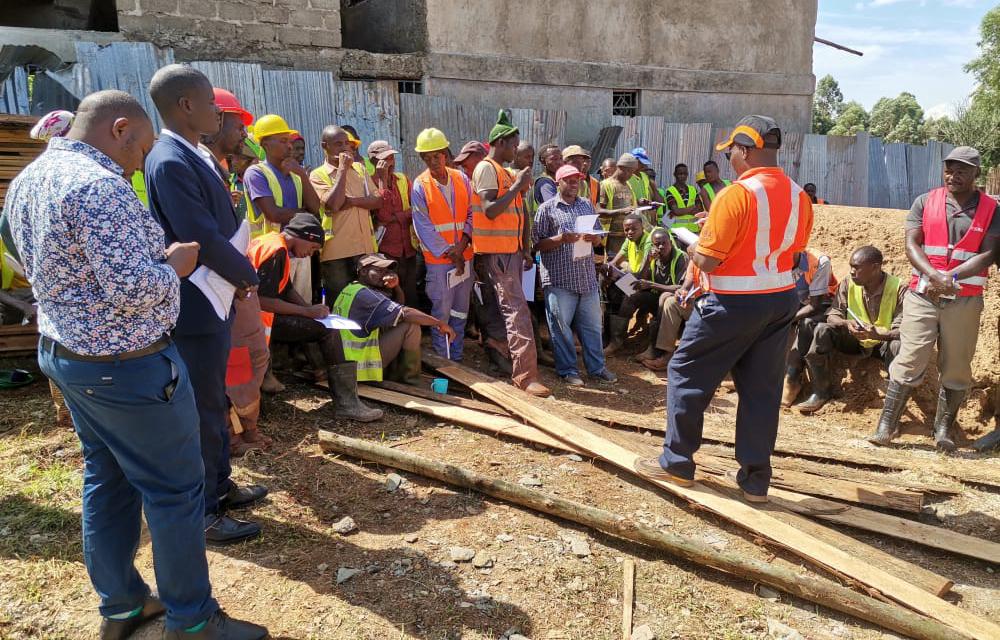
Production managers conduct comprehensive Job Hazard Analyses (JHA) before deploying camera crews to active manufacturing or construction sites.
This initial recce identifies potential dangers such as overhead crane movements, confined spaces, and exposure to hazardous materials.
Identifying these risks allows the production team to establish safe filming perimeters away from high-traffic operational zones. Directors coordinate shooting schedules directly with the site health and safety officer to avoid peak operational hours.
Aligning the production timeline with the facility shift changes or low-activity periods reduces interference with daily operations. Clear communication of the shot list ensures site supervisors can isolate specific areas for the videography team.
Media teams document all safety protocols in the pre-shoot call sheet distributed to the entire crew. Establishing these parameters beforehand guarantees that every technician understands the emergency evacuation routes and specific hazard warnings associated with the location.
On-Site Personnel Safety and Protective Gear Standards

Camera operators and sound technicians wear mandatory Personal Protective Equipment (PPE) at all times within the site boundaries.
Standard kits for videography Kenya crews include ANSI-certified hard hats, impact-resistant safety glasses, and steel-toe work boots.
Equipping the crew with proper gear mitigates the risk of injury from falling debris or accidental impact with heavy machinery.
Production companies issue Class 3 high-visibility vests to ensure maximum visibility for heavy equipment operators.
Bright, reflective clothing allows forklift drivers and crane operators to spot videographers navigating through busy loading docks or active excavation areas.
Crew members keep their high-visibility gear fully fastened to prevent loose fabric from catching in moving machinery parts.
| PPE Item | Safety Function | Industry Standard Requirement |
|---|---|---|
| Steel-Toe Boots | Protects feet from heavy rolling equipment and falling objects. | ISO 20345 compliant footwear. |
| Hard Hats | Shields the head from overhead hazards and low-clearance structures. | Type 1, Class E standard helmets. |
| Class 3 Vests | Provides maximum visibility to heavy machinery operators. | Reflective striping over shoulders and around torso. |
Equipment Handling and Drone Safety in Industrial Zones
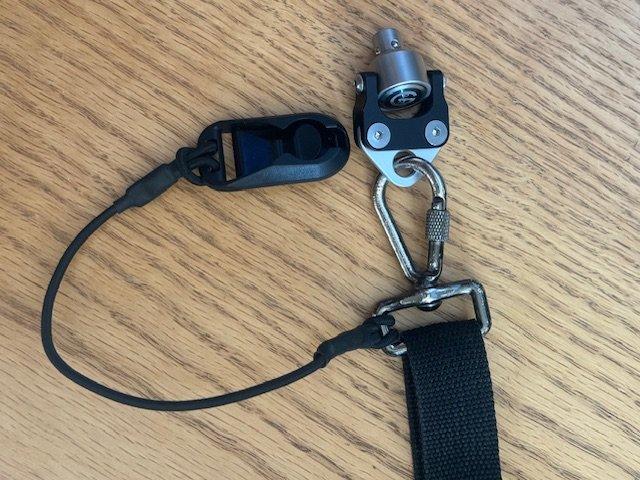
Camera assistants secure all loose equipment using heavy-duty lanyards and carabiners when filming from elevated platforms or scaffolding.
Tethering monitors, lenses, and batteries prevents accidental drops that could injure ground personnel or damage expensive plant machinery.
Production teams avoid leaving gear unattended on active walkways to eliminate tripping hazards for workers involved in commercial photography Kenya projects.
Gaffers utilise battery-powered LED lighting fixtures rather than running extensive cable networks across factory floors. Operating wireless video transmitters and battery-operated lights removes the need for taped-down cables.
This technical choice reduces the risk of accidental power disconnections or trips. Tripods feature spiked feet or sandbag anchors to remain stable on uneven construction surfaces or vibrating factory floors.
Crews store all spare lithium-ion batteries in fire-retardant safety bags away from direct heat sources or flammable materials.
Maintaining strict battery management protocols prevents thermal runaway incidents in high-temperature industrial environments.
Technical Audio and Visual Workflows for Industrial Settings
Professional crews on construction sites use acoustic shielding for their microphones to prevent wind and heavy machinery noise from clipping the audio.
Using a deadcat windscreen and 32-bit float audio recording ensures the site manager voice is clear even during high-decibel drilling. This technical setup prevents audio distortion and simplifies the post-production process for photoshoot Nairobi editors.
Sound recordists deploy highly directional shotgun microphones positioned close to the talent to isolate dialogue from background factory noise. Wireless lavalier microphones secured beneath PPE clothing further protect the audio feed from external wind interference.
Technicians monitor audio levels continuously through closed-back headphones that physically block out the surrounding ambient noise.
Camera operators employ variable neutral density (VND) filters to manage the extreme lighting contrasts found between dark warehouse interiors and bright outdoor loading bays.
Adjusting the VND filter allows the operator to maintain proper exposure without altering the camera shutter speed or aperture mid-shot.
Emergency Communication and Site Incident Protocols
Videography teams synchronise two-way UHF radios with the site primary communication frequency to receive real-time updates from the health and safety officer.
Establishing a direct line of communication allows the media crew to respond instantly to site-wide alarms or temporary operational stand-downs. Crew leaders mandate daily radio checks before stepping onto the production floor.
Production managers map out the nearest emergency muster points and medical stations during the initial site briefing.
Every media professional carries a designated emergency contact card detailing their medical information and blood type. Maintaining this immediate access to critical health data accelerates response times if an on-site injury occurs.
Crew supervisors report all near-misses or minor equipment accidents directly to the site manager using the facility official incident reporting protocols.
Documenting these occurrences helps industrial clients update their own safety policies regarding third-party contractors and media personnel.
Legal Frameworks and Insurance for Kenyan Industrial Shoots
Production companies present comprehensive public liability insurance policies to the site legal department before receiving clearance to film. This documentation guarantees that the corporate client holds no financial liability for any accidental damage the film crew might cause to industrial equipment.
Minimum coverage limits for a corporate photoshoot Kenya project typically start at KES 10,000,000 for active heavy industry zones.
Contractors operating within Kenyan manufacturing facilities align their production protocols with the Directorate of Occupational Safety and Health Services (DOSHS) regulations.
Adhering to these national legal frameworks ensures the resulting promotional videos do not inadvertently broadcast safety violations. Corporate legal teams review all final footage to verify that every worker depicted complies with standard operating procedures.
Media agencies sign strict Non-Disclosure Agreements (NDAs) to protect proprietary manufacturing processes or unreleased product designs visible in the background.
Securing these legal parameters restricts videographers from distributing raw footage or capturing sensitive machinery control panels.
Aviation Compliance for Industrial Drone Operations in Kenya
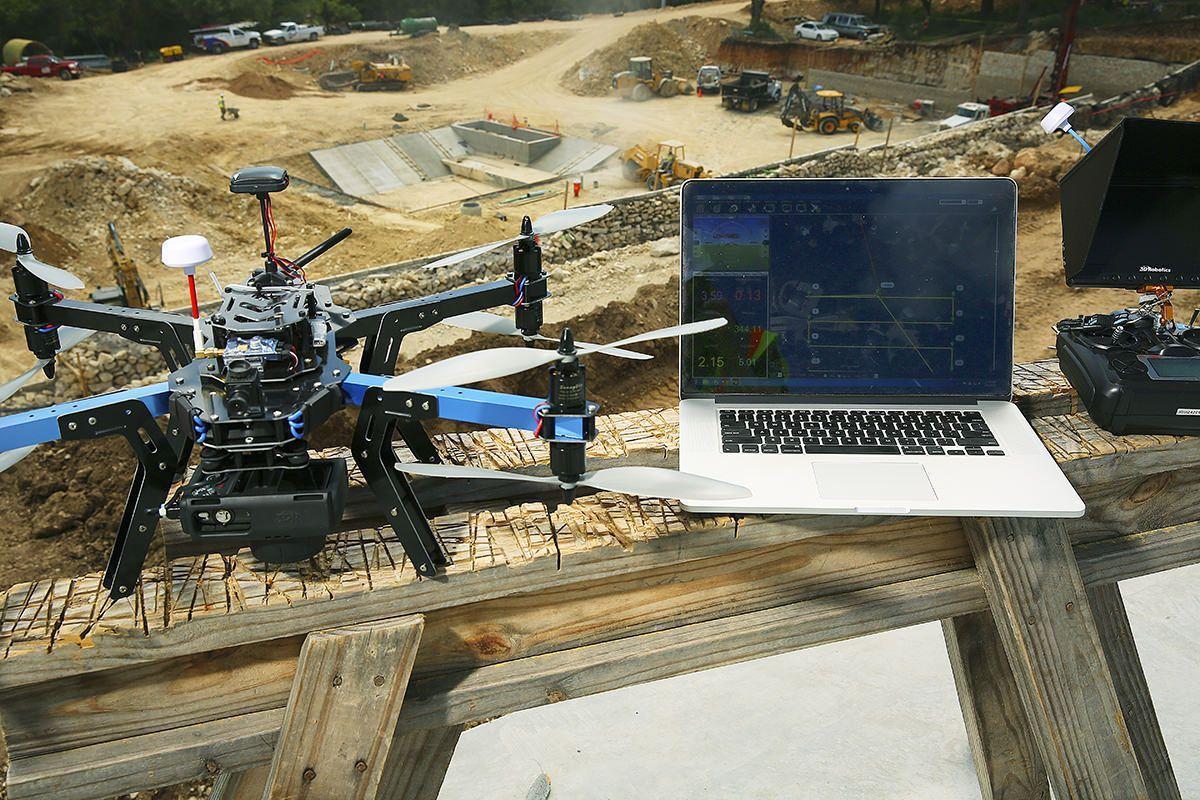
UAV pilots hold valid Kenya Civil Aviation Authority (KCAA) Remote Operator Certificates (ROC) to fly legally over active construction sites and mining quarries.
Deploying drones for progress mapping or marketing requires the pilot to submit a formal flight plan detailing the operational radius and maximum altitude. Bypassing these regulatory steps risks legal penalties and the immediate halting of the production schedule.
Drone operators establish a sterile take-off and landing zone (TLOZ) sectioned off with high-visibility cones and warning tape.
Spotters accompany the pilot at all times to monitor the airspace for approaching aircraft, cranes, or tall industrial structures. The visual observer maintains direct verbal contact with the pilot as a secondary safety measure against collisions.
Aviation regulations prohibit flying heavy enterprise drones directly over unprotected site workers or active public roads bordering the facility.
Pilots programme automated geofencing limits into the drone software to ensure the aircraft remains strictly within the property boundaries of the client.
Booking Vetted Industrial Media Teams via Photoshoot Kenya
Corporate agencies book photographer and videographer teams directly through Photoshoot Kenya to guarantee the crew possesses the necessary industrial experience.
The platform requires all listed industrial videographers to provide proof of public liability insurance and appropriate PPE ownership before accepting commissions. Filtering production partners through this verified system eliminates the risk of hiring under-equipped freelancers.
Event organisers review specialised portfolios on the platform to assess a videographer capability to deliver high-quality footage in challenging manufacturing environments.
Accessing these curated profiles allows site managers to match technical requirements with the precise gear loadouts of the listed professionals. Clients process all bookings through a secure system that finalises shot lists, safety requirements, and delivery timelines.
| Service Tier | Crew Composition | Standard Deliverables |
|---|---|---|
| Basic Industrial Coverage | 1 Videographer, 1 Sound Tech | Site walkthroughs, b-roll, ambient sound capture. |
| Advanced Safety Compliance | Director, Camera Op, Drone Pilot | Aerial site mapping, safety training videos, 4K interviews. |
| Full Production Scale | Multi-cam Crew, Drone Op, Safety Spotter | Corporate documentary, multi-site logistics, 32-bit audio. |

.webp)